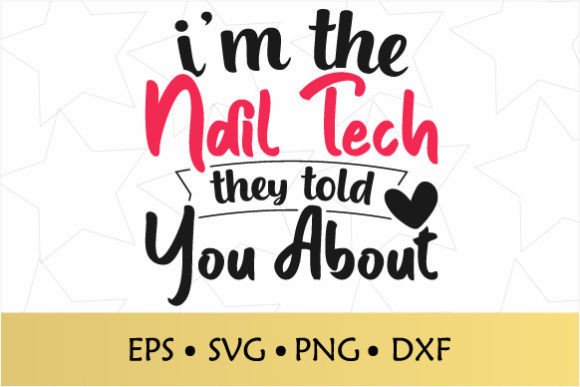
I’m the Nail Tech They Told You About
As an experienced embroidery designer and product reviewer, I’ve seen my fair share of digital embroidery files come and go. Some designs are great for quick personal projects, while others have the potential to elevate a small craft business or Etsy shop. When I first downloaded I’m the Nail Tech They Told You About, I was curious about how it would translate from a vector file into a real-life embroidered piece. The design’s theme is bold, playful, and confident—something that immediately caught my eye and made me think of custom sweatshirts, tote bags, or even boutique branding. But beyond the initial appeal, I wanted to evaluate whether this design could truly serve as a reliable asset in professional and personal embroidery work.
First Impressions: A Design with Personality
The phrase “I’m the Nail Tech They Told You About” has a strong visual presence, especially when paired with a modern font style. As a graphics file, it reads clearly and feels adaptable to different contexts. Whether you’re using it on a cotton sweatshirt for a personalized gift or printing it as part of a printable mockup for digital sales, the layout suggests versatility. The shape is balanced, with enough negative space to avoid overwhelming smaller surfaces, yet detailed enough to stand out on larger items like pillow covers or aprons.
What stood out to me was the design’s visual personality. It’s not just another generic quote—it feels like a statement tailored for someone who wants to showcase their expertise or passion in nail care. That makes it ideal for niche markets such as nail salons, beauty influencers, or handmade product sellers aiming to create something unique. The detail level isn’t too intricate, which is a plus for most embroidery machines, but there are elements that demand attention during setup and stitching.
Real-Life Embroidery Performance
In practical terms, I tested the machine embroidery design on several common craft project fabrics and found it performs well across a range of applications. Here's how it holds up in various scenarios:
- Sweatshirt Embroidery: This design works beautifully on soft cotton blends. The satin stitch outlines look clean and defined, and the fill areas remain consistent without distortion. It adds a touch of professionalism to custom apparel projects.
- Tote Bag Design: On woven canvas, the design maintains its clarity. The structure of the letters supports both front-and-back placement options, depending on your aesthetic goals.
- Embroidered Patch: The design can be converted into an applique format effectively. With proper stabilizer and thread tension, it stitches neatly onto felt or fusible web, making it suitable for patchwork projects.
- Baby Clothes & Nursery Decor: While the wording might not be ideal for infants due to its adult-centric message, it could still be rephrased or combined with other elements (like floral borders or cartoon nail art) to make it more family-friendly. Just keep an eye on stitch density and fabric stretch.
- Etsy Listings & Boutique Branding: As a graphics file, it integrates seamlessly into printable mockups. The SVG and EPS formats allow for high-quality scaling, which is essential when showcasing your finished products online.
Where to Use with Care
Despite its strengths, there are certain situations where you should approach this design with caution. For instance:
- Small Hoop Sizes: If you're planning to use it on a tiny hoop, say for a cap or hat, the text may become too compressed. I recommend checking the available hoop size before finalizing your project.
- Textured or Stretchy Fabrics: Stitching on denim, knits, or linen can cause slight puckering or misalignment if the stabilizer isn’t properly applied. Always test the design on scrap material first.
- Dense Stitch Areas: Certain parts of the design, particularly the inner fills of letters, require careful monitoring to prevent over-stitching, especially on delicate materials like thin muslin or silk blends.
- Dark Fabric Backgrounds: The default thread color contrast may not pop as expected on darker tones. Consider adjusting the colors or using metallic threads for better visibility.
- Curved Surfaces: When applying the design to curved areas like the front of a cap or sleeve of a hoodie, some distortion is possible. Using a light stabilizer and precise hooping techniques will help maintain the integrity of the shape.
Design Notes for Crafters and Business Owners
If you're considering adding I’m the Nail Tech They Told You About to your next embroidery project, here are a few tips based on my experience:
- Test First: Always run the design on a scrap piece of the same fabric and stabilizer you plan to use. This helps identify issues like thread breakage or misaligned elements early.
- Check Thread Color Contrast: Depending on your target audience and background fabric, you might need to tweak the thread colors for optimal visibility. Darker shades may benefit from white or cream-colored thread, while lighter backgrounds can support black or navy.
- Review Stitch Density: Pay special attention to the fill stitch areas. Too dense and it risks damaging the fabric; too sparse and it loses definition. Adjust as needed for the specific item you're embroidering.
- Confirm Hoop Size: Since the design includes multiple lines and characters, ensure you have a hoop large enough to accommodate the full layout without crowding the edges.
- Inspect Small Details: Look closely at any decorative accents or corners. These are often the first to show flaws if the machine settings aren’t optimized.
- Use Proper Stabilizer: Especially important for stretchy or lightweight materials. Tear-away or cut-away stabilizers can make a big difference in stitch quality.
- Test in Black and White: Before finalizing colors, preview the design in grayscale to see how the contrast and composition hold up under different lighting conditions.
- Compare Light and Dark Fabrics: The design’s impact varies significantly depending on the background. Make sure you’re happy with how it looks across your intended product range.
- Verify Licensing: If you plan to sell the finished product or include the digital embroidery file in your own kits, double-check the licensing terms to ensure compliance.
Visual Appeal and Market Potential
From a marketability standpoint, this design adds a touch of humor and authority to your offerings. It’s perfect for anyone in the beauty or self-care niche looking to build brand recognition through handmade products or personalized gifts. The visual clarity ensures it stands out in photos for craft business listings, and its thematic consistency helps reinforce a professional image.
When stitched well, the design doesn’t just sit on the fabric—it commands attention. Customers will appreciate the craftsmanship, and the phrase itself encourages engagement, especially in social media-driven shops or at craft fairs. Its boldness also means it can easily be adapted for holiday gifts or commercial embroidery by pairing it with seasonal motifs or subtle embellishments.
A Designer’s Perspective: Practical Value vs. Creative Freedom
One of the key things I look for in a machine embroidery design is whether it offers flexibility. I’m the Nail Tech They Told You About does just that. Because it comes in AI, EPS, and SVG formats, you can edit individual elements, adjust spacing, or combine it with other graphics to suit your creative vision. This is especially valuable for creative entrepreneurs and small shop owners who want to customize their design assets to align with their brand identity.
However, keep in mind that while the design is highly customizable, it’s best used in contexts where the message is appropriate. Think of it as a signature line for a nail tech’s branded gear or a fun addition to DIY kits for aspiring beauty professionals. It’s less suited for general-purpose items unless you’re targeting a very specific demographic.
Final Thoughts for Real-World Application
Overall, I’m the Nail Tech They Told You About is a solid choice for real project use. It brings a sense of pride and flair to your embroidery project, and with the right preparation, it can enhance everything from sweatshirt embroidery to handmade product packaging.
But remember, no matter how good a design looks on screen, its success depends on how it translates to fabric. Test thoroughly, adapt as needed, and always consider your audience. If you're creating for resale, make sure the design supports brand consistency and product value. And if you're using it for personal items, enjoy the process and let your creativity shine!