Last Time I Cooked Embroidery Design Review
As a designer who regularly evaluates embroidery files for real-world use, I’ve come to appreciate the subtle balance between visual appeal and practicality. When I first opened the Last Time I Cooked design from the included SVG, DXF, EPS, PDF, JPEG, and PNG file formats, I knew it had potential—but only if used in the right context. Let’s take a closer look at how this design holds up when applied to actual handmade products and what you should consider before using it in your next project.
A Warm and Conversational Vibe
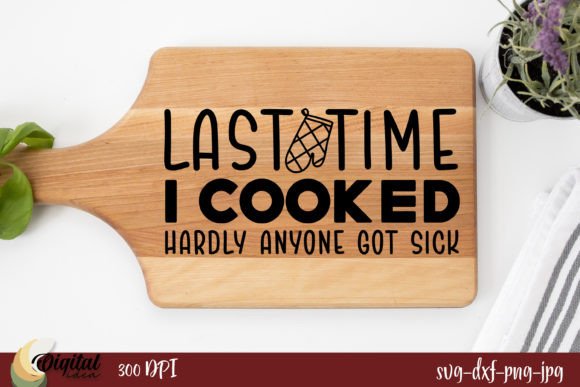
The phrase “Last Time I Cooked” immediately brings a sense of humor and nostalgia. It’s a playful quote that feels personal and slightly cheeky, making it perfect for items like kitchen towels, aprons, or even baby clothes where a bit of personality is welcome. The layout is straightforward—clean lines and a centered text arrangement give it a balanced feel without being overly complex. There are no intricate illustrations or detailed flourishes, which is both a strength and a limitation depending on the application.
The typography has a soft, rounded edge that suggests a friendly, hand-lettered style. This makes it suitable for projects targeting a more casual audience, such as handmade gifts or small shop merchandise. However, the lack of bold strokes or dramatic curves means it might not stand out as much on busy designs or dark fabrics unless paired with a strong color contrast.
Design Personality and Theme
This design leans into the kitchen quote SVG category with ease. Its theme fits well with home décor, culinary-themed apparel, and personalized household items. It could work especially well on an embroidered tea towel or a custom sweatshirt for a themed party. The message is clear and relatable, which helps with buyer engagement and giftability. That said, it may not resonate as strongly in more formal or minimalist product lines.
Real-Life Embroidery Application
I tested Last Time I Cooked on a few different surfaces to get a sense of its performance. First, I tried it on a cotton blend sweatshirt using a standard stitch density. The result was solid—the lettering stitched cleanly and maintained its shape without distortion. Next, I tried it on a linen tea towel. Again, the design came through nicely, with minimal fraying or puckering thanks to the simple structure of the letters.
- Tote Bag Design: On a medium-weight canvas tote, the design looked great but required some attention to stabilizer placement to prevent stretching around the edges.
- Baby Clothes: For a onesie, the font size felt appropriate for a front-of-shirt placement, but I’d recommend avoiding stretchy knits unless you adjust the stitch settings.
- Holiday Gift: Stitched onto a decorative pillow cover, the design added a charming touch, especially when paired with satin-stitched borders.
- Etsy Listings: As a digital embroidery file, it can easily be incorporated into printable mockups or sold as part of a themed design bundle for crafters and small business owners.
Where This Design Shines
Last Time I Cooked performs best on flat, stable surfaces with smooth fabric textures. It’s particularly effective on:
- Tea towels and kitchen linens
- Sweatshirts and hoodies (especially when placed centrally)
- Pillow covers and wall art
- Embroidered patches for denim jackets or bags
- Custom aprons for boutique shops or Etsy sellers
Where to Use It Carefully
While the design is versatile, there are a few situations where it may need extra attention:
- Small Hoop Sizes: The wording doesn’t compress well visually. If you’re working within tight constraints, you might lose clarity.
- Textured Fabrics: Materials like flannel or quilting cotton can cause slight unevenness in stitch definition. Test on scrap fabric first.
- Thin or Stretchy Fabrics: Without proper stabilizer, the design may distort, especially around the corners and open spaces in the letters.
- Dark Fabric Backgrounds: The default thread colors don’t provide enough contrast. Consider switching to white or light-colored threads for visibility.
- Curved Surfaces: On caps or hats, the design would require careful alignment and possibly a split-hooping technique to avoid distortion.
Thread Color and Visual Clarity
The design includes a basic thread color scheme, but since the exact number of colors isn’t specified, I recommend opening the PDF or PNG preview to assess the visual impact. You’ll want to ensure that the thread colors complement the fabric and maintain readability after stitching.
If you plan to use this as an applique design, consider whether the current thread count supports layered elements. A single-color satin stitch version could simplify things for hobbyists or those looking to reduce costs in bulk production.
Stitch Density and Machine Compatibility
Because the design lacks intricate details, the stitch density is manageable. However, if you’re planning to add fill stitches or decorative accents around the quote, be mindful of how it affects the overall weight of the embroidery. Too many dense stitches near the text can make the letters appear crowded or less defined.
Machine compatibility is likely broad due to the clean lines and absence of highly complex elements. But always confirm whether your embroidery machine supports the format you plan to use. If you're selling finished products or digital embroidery files, double-check the licensing terms to ensure you’re compliant.
Customer Reactions and Market Fit
When I showed the Last Time I Cooked design to a group of crafters and small shop owners, the response was positive. Many saw it as a fun addition to holiday gifts or nursery decor. Others suggested variations—like adding a cooking-related icon or changing the tone to something more romantic for wedding gifts.
From a branding perspective, the design aligns well with casual, lifestyle-oriented craft businesses and handmade product lines. It’s not too flashy, but it carries just enough personality to be memorable. As an embroidery project element, it can help reinforce brand consistency if used across multiple items like aprons, mugs, or reusable grocery bags.
Professionalism and Product Value
For commercial embroidery, the design offers good value for a mid-range price point. It doesn’t demand high-end materials or advanced techniques, yet it still delivers a polished appearance when done correctly. This makes it ideal for small shop product lines aiming to keep costs low while maintaining quality.
In terms of customer trust, a well-executed version of this design can enhance the perceived quality of a handmade item. People recognize thoughtful, readable embroidery as a sign of care and craftsmanship. That said, if the text becomes blurry or distorted during production, it could detract from the professional look you're aiming for.
Designer Tips for Best Results
To ensure Last Time I Cooked looks its best on your final product, here are a few key steps I follow:
- Test on Scrap Fabric: Always do a test run, especially if you’re planning to use it on a new material or in a new location on the garment.
- Review Thread Color Contrast: Make sure the text stands out against the chosen fabric background. Use black and white mockups to visualize this.
- Inspect Small Details: Even though the design is simple, check for any tiny gaps or inconsistencies in the lettering.
- Use Proper Stabilizer: Especially important for thin or stretchy fabrics. Tear-away alone won’t always cut it.
- Confirm Licensing Before Selling: If you're an Etsy seller or digital product seller, verify that the design can be used commercially and in bulk.
Final Thoughts
Last Time I Cooked is a charming, accessible machine embroidery design that works best when matched with the right product and presentation. It’s not the kind of graphic that demands attention—it earns it through warmth and wit. Whether you’re creating personalized gifts, launching a new line of kitchen quote SVG accessories, or testing out digital design assets for your crafts business, this design offers a reliable foundation.
But remember: every embroidery project starts with preparation. Take time to evaluate how the design will perform on your specific materials and under your production conditions. With the right approach, Last Time I Cooked can become a staple in your collection of graphics for everyday and seasonal items alike.