My Thoughts Are Becoming Lighter SVG Review for Real Projects
First Impressions: Mood and Design Language
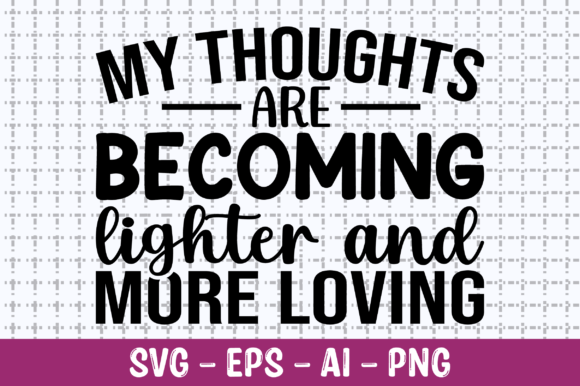
When I first opened My Thoughts Are Becoming Lighter SVG, the design immediately struck me as both thoughtful and elegant. The phrase itself carries a soft, introspective tone that translates well into visual form. The typography is clean, with subtle curves and open spaces that give it a light, airy feel—just like the sentiment suggests. This isn’t one of those bold, in-your-face embroidery designs meant to shout; instead, it whispers.Real-World Applications and Project Fit
I often think about how a design will look once stitched onto actual products, especially if it's going to be used in client projects or sold through my handmade shop. My Thoughts Are Becoming Lighter SVG fits naturally into several categories:- Custom Apparel: It works beautifully on sweatshirts and t-shirts where a softer message is desired. Its simplicity ensures it won’t get lost on larger garments.
- Tote Bag Design: I see this design being ideal for embroidered tote bags—especially ones with a minimalist aesthetic. The transparent PNG included makes it easy to mock up online before production.
- Baby Embroidery: While the message is more abstract than typical baby phrases, it could be paired with other gentle motifs to create a calming nursery wall hanging or personalized blanket.
- Holiday Gifts: For those looking to add a meaningful touch to holiday gifts, this SVG can elevate a simple pillow cover or apron into something heartfelt and memorable.
- Commercial Embroidery: If you're an Etsy seller or run a small craft business, this design has the potential to become a signature element across your product line. Its adaptability supports brand consistency while still feeling unique.
Design Performance in Stitching Scenarios
As someone who regularly uses digital embroidery files in real projects, I evaluate them based on how they perform under different conditions. Here’s how My Thoughts Are Becoming Lighter SVG holds up in practice:On sweatshirt embroidery, the design maintains its clarity even after resizing. The vector format allows for clean scaling, so whether it’s a large statement on a hoodie or a smaller placement on a cap, the lines stay sharp. However, if you’re using stretchy fabrics like spandex blends, stitch density becomes critical—you’ll want to adjust accordingly to prevent distortion.
For embroidered patches, the file’s structure supports precise satin stitch outlines. I’d recommend using a tear-away stabilizer for woven fabrics and a cutaway for knits. The lack of complex fill patterns also means less risk of puckering or thread breakage during machine embroidery.
When applied to handmade products such as tea towels or pillow covers, the design adds a refined touch. The transparency of the PNG helps visualize how it will appear on different materials, but always test the stitch layout on scrap fabric first to confirm how the embroidery interacts with the fabric texture.
Where to Use with Caution
- Small Hoop Sizes: The design may need to be resized down significantly for patches or caps. Always check the final dimensions and ensure all lettering remains legible.
- Textured Fabrics: On denim or canvas, the embroidery might lose some of its delicate charm unless you adjust stitch types and tension settings.
- Thin or Stretchy Materials: Without proper stabilizer, the design could distort or pull out of shape. Especially important for items like leggings or dress shirts.
- Dark Fabric Backgrounds: Thread color choice is essential here. A white or light-colored thread will make the design stand out, but consider contrast carefully before finalizing your palette.
- Frequent Washing: Because of its fine lines and moderate stitch coverage, it’s best suited for decorative rather than heavy-use items unless you reinforce the back with interfacing.
Visual Appeal and Customer Perception
One of the most important aspects of any embroidery design is how it enhances the finished product. In this case, My Thoughts Are Becoming Lighter SVG does more than just sit on fabric—it tells a story. Customers tend to gravitate toward designs that carry emotional weight, and this one subtly conveys hope and healing. In terms of stitching clarity, the design reads cleanly from a distance, with no confusing overlaps or overcrowded sections. That makes it great for personalized gifts or small shop merchandise where readability is key. It also helps maintain a professional appearance, which is vital if you're selling finished goods or digital embroidery files. For handmade product presentation, the design adds a touch of sophistication. Whether it’s part of a custom tote bag or a holiday gift tag, it elevates the perceived value and reinforces the artisanal quality of the item. As an Embriostry designer, I know that attention to detail matters—and this file shows respect for that.Brand Consistency and Giftability
If you're building a cohesive brand or creating a themed collection for Etsy sellers or craft fairs, this design can serve as a recurring motif. It pairs well with botanical elements, sunbursts, or minimalist illustrations. The mood it creates is consistent with modern, mindful aesthetics, which are currently popular among creative entrepreneurs. As a holiday embroidery option, it’s understated yet meaningful. Think of pairing it with a soft pastel palette and subtle decorative accents for a cozy, comforting look. It’s also a strong candidate for wedding gifts or nursery decor, where a quiet, reflective message can mean a lot.Designer Notes for Practical Use
- Test First: Always try stitching the design on scrap fabric before committing to a final product. It gives you a better idea of how the stitches behave with your machine and thread choices.
- Check Thread Contrast: Use the transparent PNG to mock up the design in black and white as well as in color. Sometimes what looks good on screen doesn’t translate perfectly in stitch.
- Review Stitch Density: Even though it’s a simpler design, stitch density can vary depending on fabric type. Too dense and it risks stiffness; too sparse and it may not hold up over time.
- Confirm Hoop Size: Resizing is possible, but don’t forget to verify that the new dimensions still fit within your hoop size. Some machines have limitations on maximum stitch count per side.
- Inspect Small Details: Look at the corners and edges of each letter. They should be smooth and free of jaggedness, especially if you’re planning to use it on high-quality custom apparel.
- Use Proper Stabilizer: Depending on the fabric, you may need to switch between tear-away, wash-away, or cutaway stabilizers to avoid puckering or shifting.
- Licensing Check: Before selling the finished product or including it in digital embroidery files for resale, make sure you understand the licensing terms. This is crucial for maintaining legal compliance in your craft business.