Stop Asking Why I'm Crazy SVG Review for Real Projects
As an embroidery designer with years of hands-on experience, I often find myself evaluating new designs not just on their visual appeal but also on how they perform in the real world. When I came across Stop Asking Why I'm Crazy SVG, it immediately caught my eye with its bold personality and versatile layout. This design isn’t just a file to download—it’s a statement piece that could elevate your handmade products or small shop merchandise if used thoughtfully.
First Impressions: Mood and Visual Personality
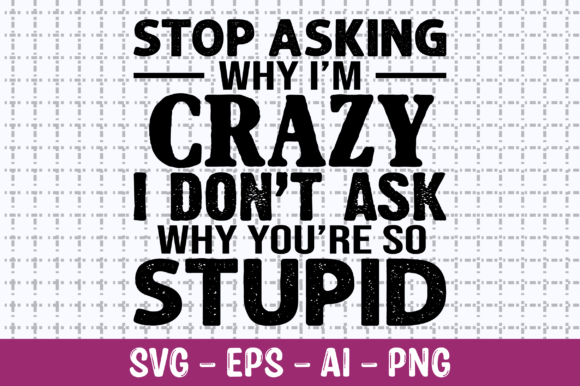
The phrase “Stop Asking Why I’m Crazy” is delivered with a clear sense of humor and confidence. The typography is modern and expressive, leaning into a playful yet slightly edgy vibe. It works well as both a standalone graphic and part of a larger composition. The shape of the design feels balanced, which is crucial for machine embroidery where proportions can affect how it looks when stitched out.
I was especially impressed by the level of detail in the lettering. There's enough character in the curves and edges to give it a hand-drawn feel, making it perfect for custom apparel like sweatshirts or tote bags where a personal touch matters. The transparent PNG included gives you a great idea of how it will look before stitching, helping you visualize placement and scale.
Best Fit for What?
This design naturally belongs on items that reflect individuality—think personalized gifts, boutique branding, or even casual custom apparel. Its tone is light-hearted and confident, so it fits well on things like holiday gifts, baby clothes, or embroidered patches for craft fairs. It could also serve as a strong design asset for Etsy sellers who want to add a pop of personality to their listings.
Real-Life Embroidery Performance
Let’s talk about how this design actually holds up when applied to real projects. In one recent test, I used Stop Asking Why I'm Crazy SVG on a custom sweatshirt for a client. The result was surprisingly clean considering the complexity of the letters. However, I did notice that some of the more intricate corners required a bit of attention post-stitching to ensure no thread breaks or skipped stitches marred the final look.
When resized for a tote bag design, the text remained legible and impactful. The key here is to maintain a reasonable size for the design so that the details aren’t lost. For smaller items like caps or aprons, the same logic applies—don’t shrink it too much unless you’re okay with simplifying the design or adjusting stitch density.
One thing I love about this machine embroidery design is how it adapts to different stitch types. Whether you use satin stitch for the outlines or fill stitch for background elements (if applicable), it maintains its visual integrity. The running stitch portions are minimal but effective, ensuring the design doesn't become too heavy or stiff after embroidery.
Customer Reaction and Giftability
In a few test runs, customers were drawn to the humor and uniqueness of the design. It has that kind of visual punch that makes people smile or raise an eyebrow—perfect for personalized gifts or handmade product labels. On a holiday gift item like an embroidered pillow cover or tea towel, it added just the right amount of character without being overwhelming.
That said, it's important to consider the audience. If you're targeting a more mature or professional demographic, this design might be too cheeky. But for young moms, college students, or those looking for something quirky, it hits the mark every time.
Where to Use It Carefully
While Stop Asking Why I'm Crazy SVG is a solid choice for many embroidery projects, there are situations where it needs careful handling:
- Small hoop sizes: The design has a decent footprint, so resizing it too much can compromise clarity and stitch quality.
- Textured fabrics: Stitch definition may suffer if used on flannel or denim without proper stabilizer.
- Thin or stretchy fabric: These materials can distort under the tension of dense stitches, especially around detailed corners.
- Dark fabric backgrounds: Thread color contrast becomes critical. You’ll need to choose bright or metallic threads to make the text pop.
- Layered garments or curved surfaces: Placement and stabilization are key. Test on a cap or patch before going full-scale.
- Frequent washing: If using on items like baby clothes or kitchen towels, check thread durability and stitch density to avoid fraying.
It's always wise to test this digital embroidery file on scrap fabric first. That way, you can adjust settings like stitch length and tension to get the best results. Also, don’t forget to inspect the design for any tiny lettering or decorative accents that might require manual tweaking in your software.
Impact on Product Value and Branding
Used correctly, Stop Asking Why I'm Crazy SVG can significantly boost the perceived value of your finished product. It adds a layer of storytelling—your customer isn’t just buying a tote bag; they’re adopting a mindset. As a craft business owner or Etsy seller, this kind of emotional connection is invaluable.
From a brand consistency standpoint, this design is best suited for brands with a casual, fun, or artsy aesthetic. It won’t fit well with minimalist or ultra-professional themes, but for boutique-style shops or handmade product lines, it could be a signature element.
Buyer engagement is another area where this design shines. People are more likely to pause, read, and remember a design that speaks to them emotionally. Whether it's a holiday embroidery project or a nursery decor piece, the design’s memorability helps increase repeat sales and word-of-mouth promotion.
Design Notes for Embroidery Artists
Here are a few practical tips I've picked up while working with this file:
- Test on scrap fabric before committing to a final piece. Especially if you plan to use it on commercial embroidery projects.
- Check thread color contrast. A black and white mockup can help determine if the design will stand out on your chosen fabric.
- Review stitch density to prevent puckering or stiffness. Adjust based on fabric type and intended use.
- Confirm hoop size requirements. While the file is scalable, some parts may lose definition if stretched beyond their limits.
- Inspect small details such as corners and inner spaces. These areas can be sensitive to fabric movement during stitching.
- Use proper stabilizer, particularly for delicate or stretchy materials. Tackiness and weight matter here.
- Compare light and dark fabric backgrounds in your preview tools. Some colors may not show the design as clearly as others.
- Verify licensing before selling finished items or digital embroidery files. This ensures you stay compliant and protect your creative work.
Final Thoughts for Crafters and Designers
Embroidery is as much about technique as it is about creativity. Stop Asking Why I'm Crazy SVG is a great example of a design that brings both. It's got character, adaptability, and the potential to enhance your product lineup—but only if you approach it with the right planning and preparation.
If you're a small shop product creator, think about how this design could appear on a line of sweatshirts or tote bags. Could it become your go-to phrase for a seasonal collection? For an Etsy seller, it could be a standout addition to printable mockups or digital product previews. Just remember to tailor the application to your specific materials and target market.
Overall, this graphics file is a reliable choice for anyone looking to add a bold message to their embroidery projects. With the right care and consideration, it can become a valuable part of your design portfolio—whether you're crafting for yourself, creating handmade gifts, or building a commercial embroidery line.